Information
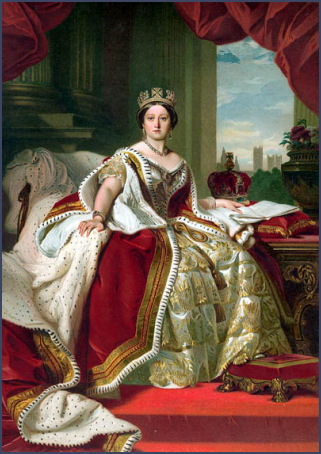
Characteristics: Literature become close to daily life and routines and reflects its practical problems and interests. Age is characterized as practical and materialistic most writers exalt rudely ideal life. Literature becomes a powerful instrument for human progress. The moral purpose was "The Victorian literature seems to deviate from "art for art's sake" and asserts its moral purpose.
Literature: Victorian literature is that produced during the reign of Queen Victoria for the Victorian Era. During this time there are many different types of literature than the 20th century. In the 19th century is regarded as high point in literature in the United States, France, Britain, and Russia. Many novels were published with short stories and poems.
Education: Parish workhouses had to provide education for children although this duty was poorly absorbed. The Church of England provided elementary education. Rich children were taught at home until old enough. Although, if they were boys then they went to public schools. Girls continued to be taught at home. In 1870 they passed a law saying children ages 5-10 had to attend weekday school. The leaving age was raised to 11 in 1893. Although, many children were kept away from school by their parents or employers who would rather have them working and earn money.
Lifestyle:
-
Hairstyle- Pre-civil War hairstyles included sausage curls framing the face popular during the early Victorian year. Prior to the Civil War it was fashionable to part the hair in the middle and pull it back or twist the sides to cover the ears. Hairstyles in the civil war period typically had a part in the middle and the hair pulled back into a bun, braids or curls. Often ladies would wear a snood.
-
Clothing/Fashion- In the 1840s and 1850s, women's gowns had wide puffed sleeves. Dresses were simple and pale, and incorporated realistic flower trimming. Petticoats, corsets, and chemises were worn under gowns. In the 1870s, un-corseted tea gowns were introduced for informal entertaining at home and steadily grew in popularity.
- Architecture/Furniture- The Victorian age furniture draws its influence from gothic forms with heavy proportions, dark finish, elaborate carving, and ornamentation. Victorian Age furniture has a strong Rococo and Louis XV influence. Exaggerated curves, lush upholstery. To accommodate the springs in chairs, upholstery on seat had to be improved in quality and seats were made deeper. This meant that chair legs became shorter. The early part of this period, machines beginning to replace hand labor in furniture production. Iron also made its appearance in the early Victorian furniture style.
-
Etiquette/Manners- Their manners were greeting people kindly saying "Hello, old fellow". If no topic of absorbing interest may be admitted to polite conversation.
Social Classes:
- Working class - men and women who performed physical labor, paid daily or weekly wages
- Middle class - men performed mental or "clean" work, paid monthly or annually
- Upper class - did not work, income came from inherited land and investments
Role of Women: In the Victorian Era women were seen, by the middle classes at least, as belonging to the domestic sphere, and this stereotype required them to provide their husbands with a clean home, food on the table and to raise their children. Women’s rights were extremely limited in this era, losing ownership of their wages, all of their physical property, excluding land property, and all other cash they generated once married.When a Victorian man and woman married, the rights of the woman were legally given over to her spouse. Under the law the married couple became one entity where the husband would represent this entity, placing him in control of all property, earnings and money. In addition to losing money and material goods to their husbands, Victorian wives became property to their husbands, giving them rights to what their bodies produced; children, sex and domestic labor.
